Two Documents, One Career: Keeping Your Machine-Facing and Human-Facing Resumes From Drifting Apart
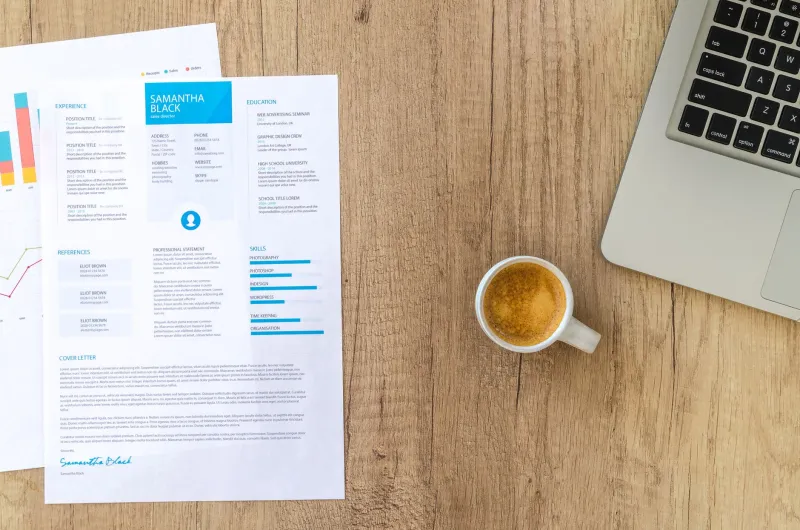
Somewhere in your job search workflow, there are probably two resumes living in the same folder under suspiciously similar filenames. One is dense with keywords, structured for a parser, and formatted in the plainest terms imaginable. The other is the version you would actually hand to a person—cleaner, more narrative, occasionally even charming.
If both exist, congratulations: you have internalized the reality of modern hiring. But owning two versions is the easy part. The hard part—the part almost nobody manages well—is keeping them from becoming two different accounts of your career.
Why the Split Exists in the First Place
Applicant tracking systems reward structure: standardized section headers, exact-match skills, dates in predictable formats. Human readers reward something else entirely—clarity of impact, a sense of trajectory, the feeling that this person understands the job they are applying for. Optimizing for both audiences in a single document usually means optimizing fully for neither.
So the two-resume approach has become standard practice among serious candidates. The machine-facing version gets you through the door. The human-facing version closes the deal in the final rounds, when your file is finally being read by someone with decision-making power.
The vulnerability is not the strategy. It is the maintenance.
The Drift Problem Nobody Talks About
Here is how drift typically happens. You update the ATS version for a batch of applications—tweak a title here, add a certification there. Weeks later, you dust off the human version for an on-site interview and forget to port the changes over. Now your interviewer is looking at a document that says one thing while you say another.
The most common drift failures are deceptively small:
- Inconsistent job titles, especially when you have normalized a title on one version to match a job description
- Mismatched dates, often caused by formatting cleanup on one file but not the other
- Skills that appear on one version only, which invites the question of which document is telling the truth
- Quantified achievements on one and vague claims on the other, making your stronger claims look manufactured
None of these are fatal on their own. Together, they create the impression of carelessness—or worse, of a candidate curating different truths for different audiences. Interviewers notice. Reference-checking recruiters notice harder.
A Single Source of Truth System
The fix is to stop treating the two documents as two projects. Treat them as two outputs of one master record.
Step one: Build a canonical career file. Every role, every metric, every certification, every project—captured once, in exhaustive detail, with no concern for length or formatting. This file is never sent to anyone. It exists so that no fact about your career lives only in your memory.
Step two: Generate, don't author, the two versions. Both the ATS-optimized and human-facing resumes should be derived from that master file. When you update the master, both outputs update. This can be as simple as a disciplined spreadsheet, or you can lean on AI tools that maintain a career profile and generate tailored variants on demand.
Step three: Run a divergence check before every interview. This is where AI earns its keep. Paste both versions into a tool and prompt it directly: Compare these two resumes. List every factual inconsistency—titles, dates, employers, skills, and metrics—no matter how minor. What takes an AI thirty seconds would take you an hour of squinting, and it never gets tired on the fourth revision.
A useful companion prompt: If an interviewer read only the human-facing version and asked me about anything that seems unsupported, where would I be caught off guard? That question surfaces the claims that need either evidence in the master file or deletion from the resume.
Version Control Is a Career Skill Now
Engineers figured out long ago that parallel versions of anything require deliberate synchronization. Job seekers are only now learning the same lesson. The candidates who treat their application materials like living, version-controlled assets—rather than documents regenerated in a panic each time an application demands one—simply make fewer unforced errors.
The two-resume strategy is not a hack. Managed well, it is a reflection of a deeper truth: you are presenting the same career to two different audiences with two different reading priorities. The moment your two versions tell two different stories, you have lost both audiences at once.
Keep one truth. Serve it two ways. Audit the gap before anyone else finds it for you.